

The setup:
50-70% market share
Net cash is about 15% of the market cap
First outside CEO hired in the company’s 58 year history
Targets for 7-10% growth, EBIT margin expansion from 7.3% to 10-12%
70-100% upside over three years
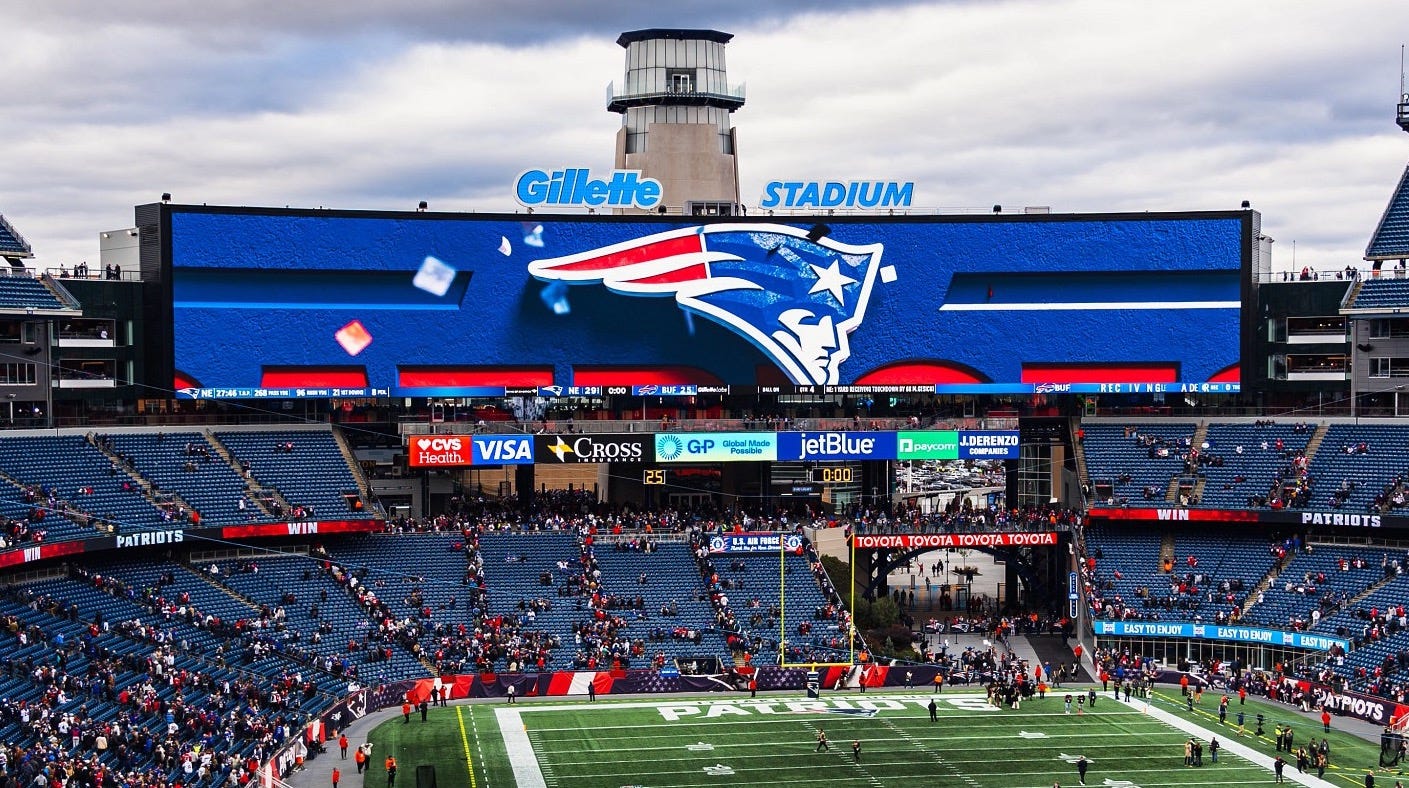
Daktronics makes video displays and scoreboards and dominates its markets with about 50% share of major league screens in the US and about 70% share of college screens.
Daktronics is a dominant market leader that has been under-earning.
For 57 years the company was run by its founder and his son. The company was not primarily run to maximize profits, but instead increase employment in South Dakota despite lower cost options in China or Mexico. ‘Daktronics’ stands for Dakota plus electronics.
Operating margins sat in the mid-single digits for most of the last decade, until two activist campaigns led to changes on the board. The family has now largely exited the company and in February 2026 Ramesh Jayaraman became the first CEO hired from outside the company.
On October 14 he announced his first big move.
Daktronics is shifting production to China and Mexico, shutting a factory in Ireland, and cutting back on unprofitable international business.
A niche leader like Daktronics should be earning EBIT margins above 7.3%, and Ramesh has annouced plans to increase it to 10-12%.
The company is still a ‘hidden gem’. The market cap is about $1bn, the stock trades about $8mm a day, and hardly any sell-side analysts cover it. The stock is not pricing in any structural improvement in my view.
This write-up is built on primary research — interviews with former employees, customers and ex customers, and background checks on the new CEO.
Paid subscribers get:
Why Daktronics is a dominant business
The mistakes made by the founding family, and the activist campaigns that led to their removal and a new CEO earlier this year
New CEO Ramesh Jayaraman’s plan to increase margins to 10-12%
Why the valuation is attractive even at the low end of Ramesh’s targets
Hidden Gems Investing has reached over 8,900 free subscribers and over 300 paid members in the 24 months since the newsletter was launched. Most of our reports require well over 100 hours of work and thousands of dollars in research expenses. A subscription saves you enormous time and cost and protects you from future price rises. Join our members by upgrading below, or go here to learn about what you can expect as a paid subscriber:
This article is for informational purposes only and is not investment advice. Plural Investing, LLC currently holds a position in Daktronics. Read important disclosures here.
Situation Overview
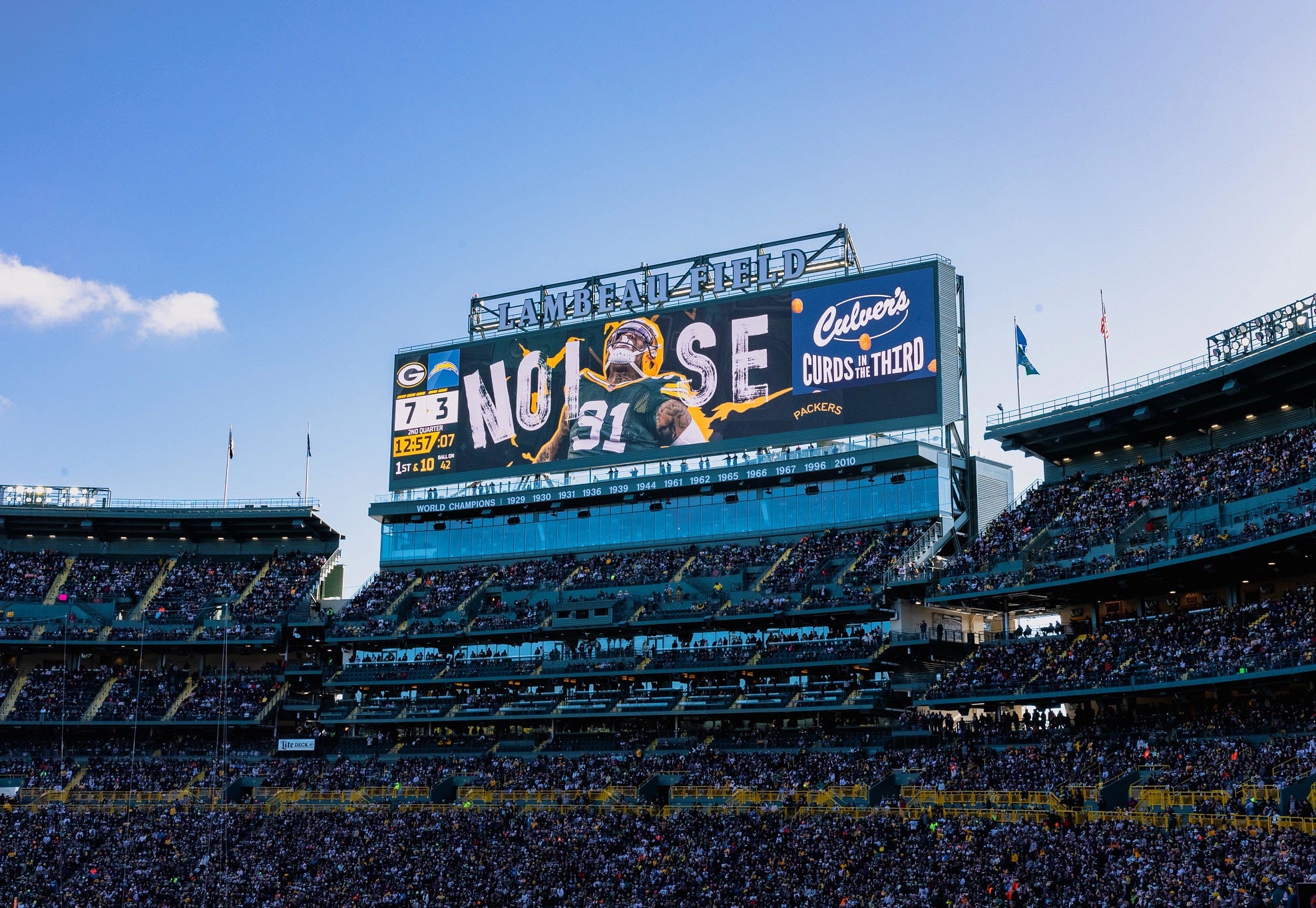
Daktronics (DAKT) makes large electronic displays like the video boards and scoreboards in sports stadiums, the message signs outside schools and along highways, and digital billboards. The company has a market cap of $1bn, net cash of $144mm, and trades on an EV/NOPAT of 16x. Management’s targets are to grow revenues at 7-10% and increase EBIT margins from 7.3% to 10-12%. Revenue in FY2026 ending May 2, 2026 was $839mm, with 88% of generated in the US.
I think of Daktronics as three businesses:
1 - Sports & Live Events (60% of sales)
This is the crown jewel business, where Daktronics builds custom screens, scoreboards, and software for pro and college venues (38% of group sales), and high schools (22% of sales).
Pro projects run from a few million dollars to $100mm+ and can take six months or more to engineer and install, while high school systems are typically more like $200k and Daktronics may help the school sell sponsorships to pay for it.
At its April investor day Daktronics said it has 53% market share among US major-league venues and 69% of college venues. I’ve gone venue-by-venue across the NFL, NBA, MLB, and NHL and come to a 57% share of awards over the last five years. My conversations with several customers and former customers also support the idea that Daktronics is the dominant provider in US sports.
2 - Commercial (22% of sales)
Commercial sells digital billboards to outdoor advertising companies. It also makes signs for gas stations, car dealers and restaurants, and sells them through more than 500 local sign companies. Daktronics says it has 34% of the market for business signs and 19% of outdoor advertising displays.
3 - Transportation (9% of sales)
Daktronics makes highway, airport and transit signs for mostly state transportation departments and airports, which often have to buy American-made productss. That gives Daktronics, the largest US-based maker, an edge over Asian suppliers. The company estimates it has over 40% share in the market for highway signs.
Daktronics also has a fourth business (International, 9% of sales), but that is loss making and in the process of being right-sized.
Despite its strong competitive position and the structural growth in the market for sports displays, Daktronics has earned a low/mid single-digit EBIT margin for most of the last decade and even had a going-concern warning from the auditors in December 2022.
Why Daktronics is a Dominant Business
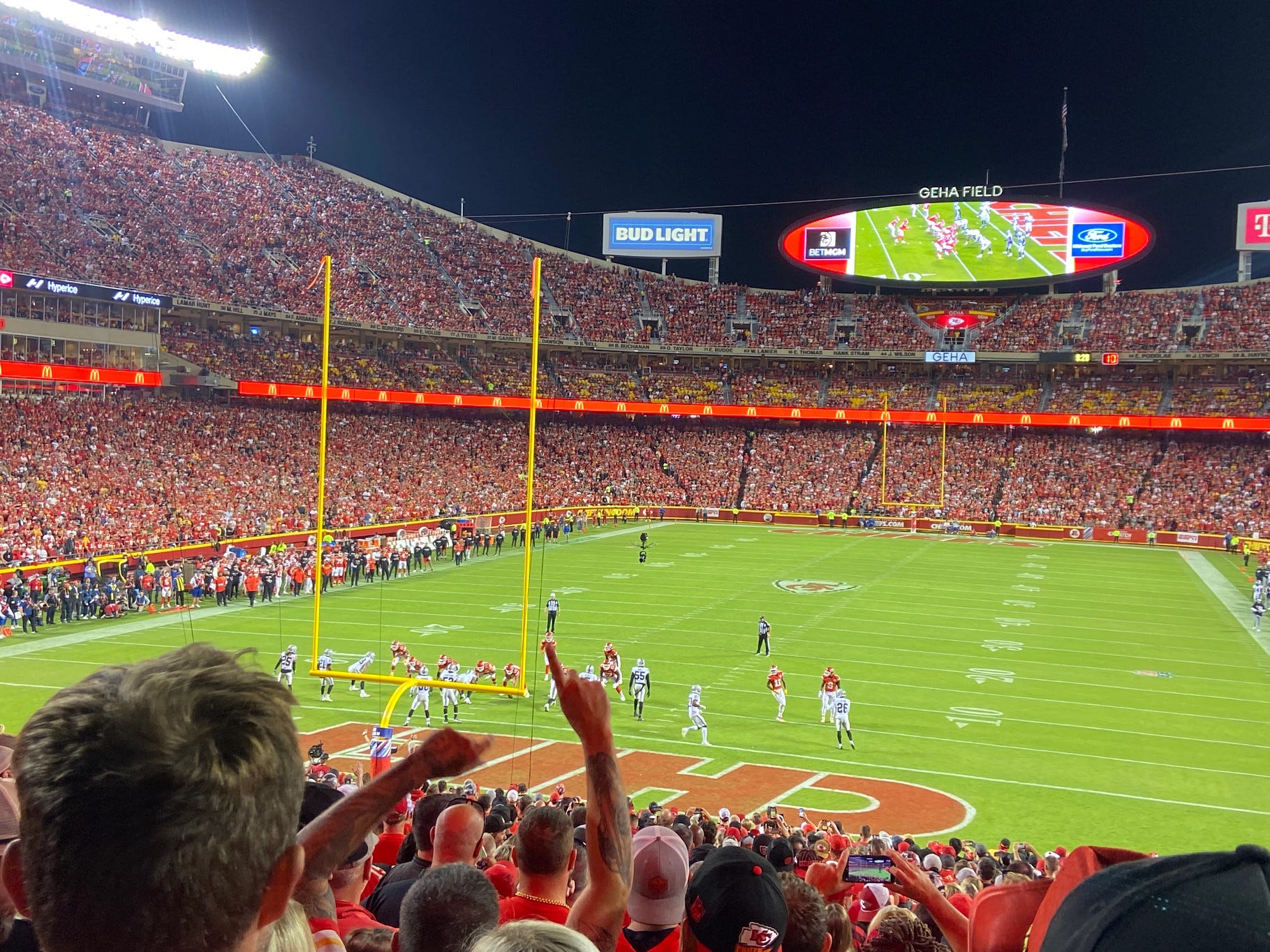
In my conversations with different sports teams, I was repeatedly told that Daktronics is recognized as the gold standard supplier of display and scoreboard systems.
Daktronics is the market leader because it is the only supplier that sells a turn-key solution including the display, scoreboard, and software that syncs with the scoreboard and the game clock, installs them with its own crews and has a local support staff that provides repairs and aftermarket service quickly. That means limited downtime and a longer product life.
Competitors like Samsung and LG often just sell the display and are slow to respond, while Chinese competitors often just provide extra spare parts up front and have no aftermarket service at all.
This means customers buying from a Daktronics competitor venues must buy hardware and software from different suppliers, train staff on multiple systems, and when screens break there is more downtime which impacts the fan experience.
While the major league teams are better suited to manage these complexities, this becomes increasingly difficult at minor league and college level, which is why Daktronics’ market share is about 50%+ among major league teams and about 70% at college level.
As one source told me, “When you get into the college world where staff and money are tight and your maintenance crew is small, buying from a single source becomes more imperative.”
Daktronics’ moat has held up despite Samsung entering the market over the last decade. Samsung tried to undercut Daktronics on pricing and by bundling marketing incentives, but people in the industry told me it is now exiting the market after product quality issues.
I view Daktronics’ ability to withstand Samsung as a strong validation of its moat.
Its main competition today comes from ANC, which by my estimates has won 25% of major league displays in the last five years, and SNA, which has won 7%.
ANC is a US company that does not make displays. It buys panels from LG and Chinese makers, installs and runs them, and often sells advertising on them for the team.
SNA is the North American arm of Shanghai Sansi, a Chinese LED maker.
Both ANC and SNA compete on the basis of lower prices rather than better product or service quality. Daktronics primarily manufactures in South Dakota, which results in a significantly higher cost base than these companies.
That is the biggest risk to the company’s competitive position and was the result of the founding family’s decisions.
It is now changing under new CEO Ramesh Jayaraman.
Change in Management
Paid subscribers get:
How margins will increase from 7.3% to 10-12%
Ramesh’s first big move as CEO
Why the stock is attractive even at the low end of Ramesh’s targets
Hidden Gems Investing’s library of Special Reports and Deep Dives, all built on interviews with industry sources. Go here to learn more.
Hidden Gems Investing has reached over 8,900 free subscribers and over 300 paid members in the 24 months since the newsletter was launched. Most of our reports require well over 100 hours of work and thousands of dollars in research expenses. A subscription saves you enormous time and cost and protects you from future price rises. Join our members by upgrading below: